Friendly Spaces
Switzerland's first family-friendly label for businesses. I built the standard, the brand, the app and the programme.
What it is
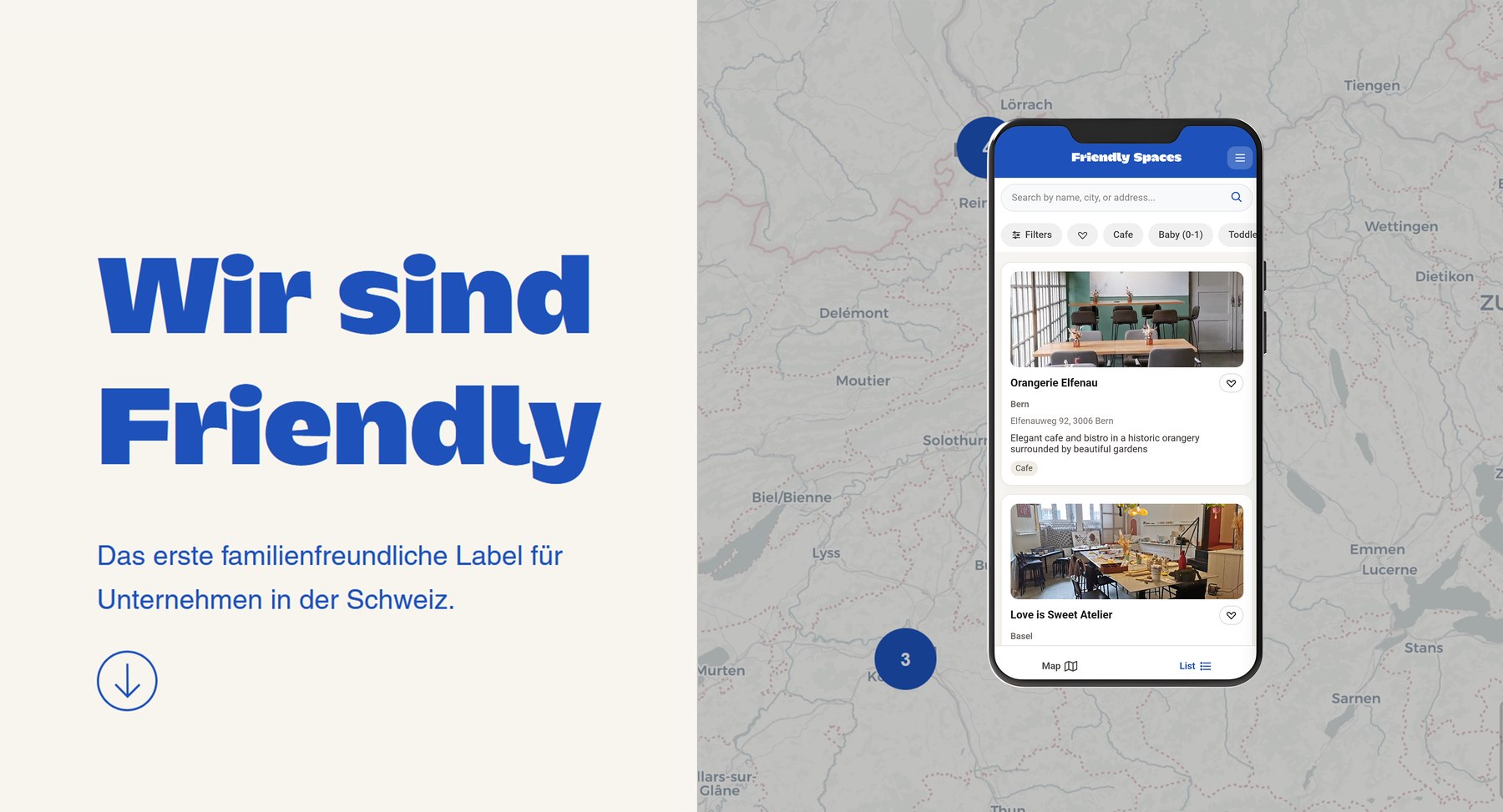
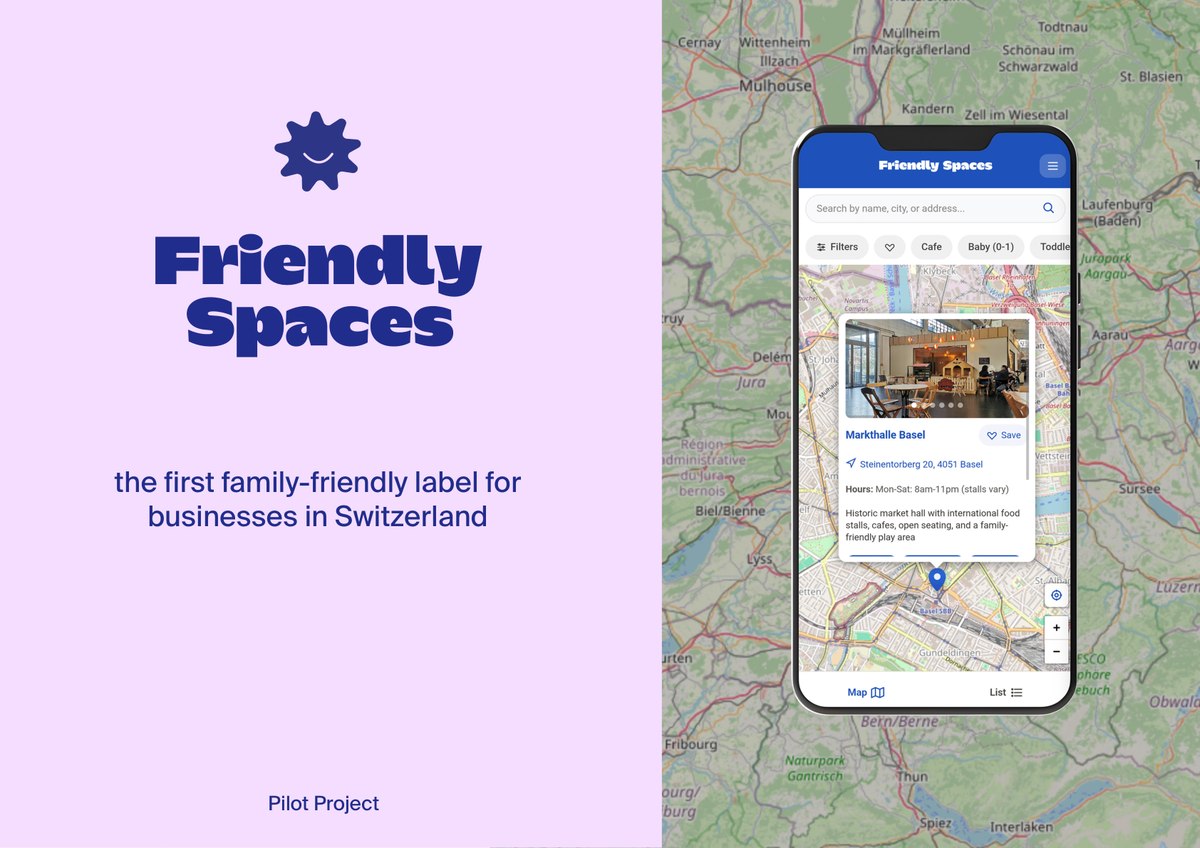
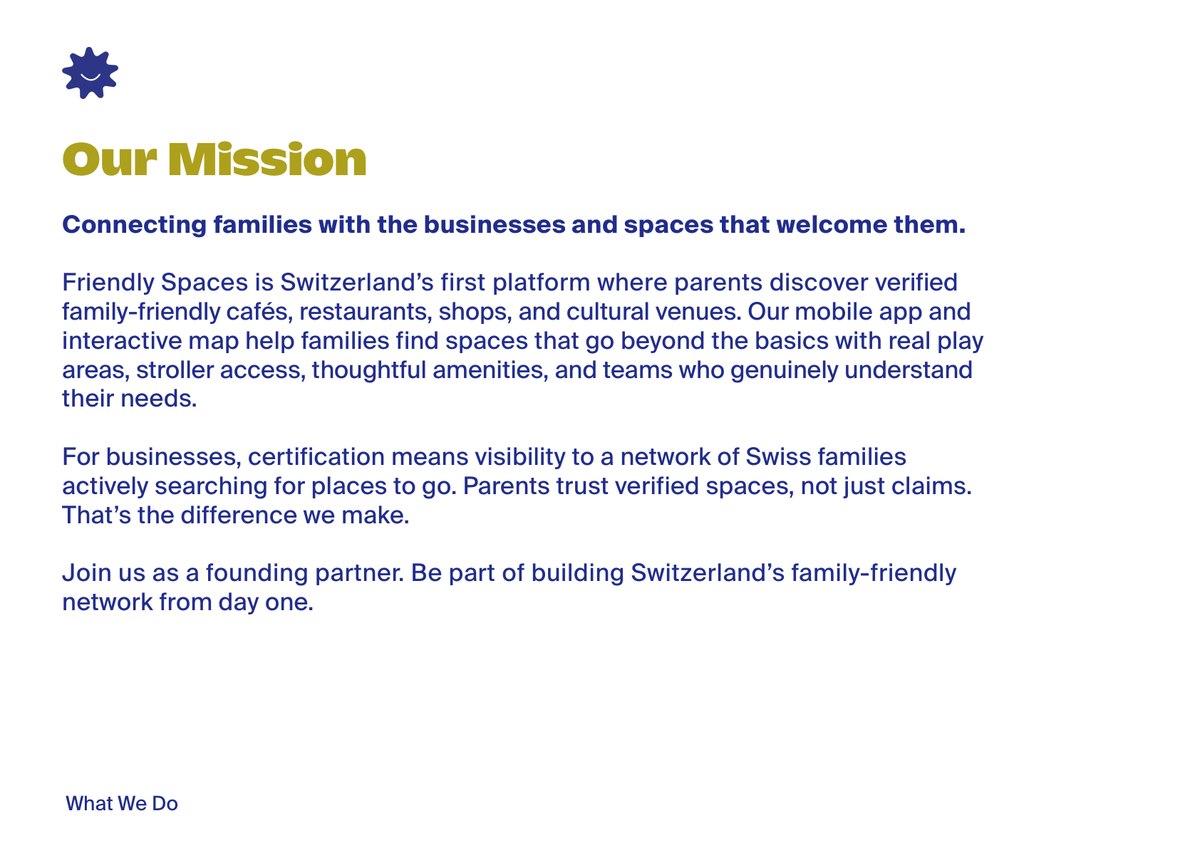
Friendly Spaces is Switzerland's first family-friendly label for businesses. It connects families with the businesses and spaces that welcome them, and it certifies places that offer more than just a high chair: play facilities, space for baby carriages, creative children's menus and a team that really understands families.
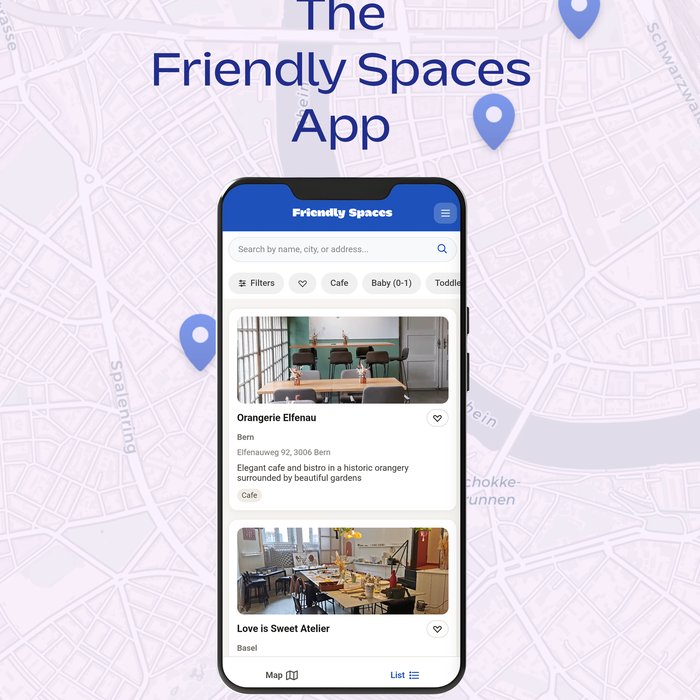
Parents find those places through a mobile app and an interactive map. Businesses get visibility to a network of Swiss families who are actively looking for somewhere to go. Parents trust verified spaces rather than claims, and that is the difference the label makes.
I started the company and I have built all of it: the standard, the brand, the app, the print system, the contracts and the reporting.
Why I started it
A trip to Japan. Families are a natural part of public life there: shopping centres with indoor play areas, cafés that serve child-sized portions from the adult menu, and a culture that gives children space.
Friendly Spaces brings that attitude to Switzerland. We recognise places that already welcome families, and guide the ones that need help getting there, while creating a platform where they can reach like-minded customers. It is about visibility, community, and setting new standards for family-friendly places.
Designing the standard
Before any of the visible work there was a harder question: what actually makes a place friendly? If the answer is a matter of opinion, the label is worthless.
So I built the audit methodology from scratch. 48 base points across seven categories, plus six bonus points for genuine extras. A venue certifies at 36. Between 29 and 35 it gets a conditional pass with defined improvement measures, and below 29 it is not certified yet.
Every individual criterion scores 0, 1 or 2: not met, partially met, fully met. No impressions and no overall feel. “Is there a clean changing table” has an answer; “does this place feel welcoming” does not.
The weighting carries the judgement. Toilets and changing facilities are worth ten points, the heaviest category, ahead of the entrance, the atmosphere and the food. That is a deliberate call about what decides whether a parent can stay somewhere for an hour, and you only get it right by asking parents rather than venue owners. Play area and entertainment follows at eight, and the remaining five carry six each.
Each audit is an on-site visit: a walkthrough of every public area, photo documentation of the facilities, a conversation with staff about how things actually run, and a check of safety and emergency provision. Reports grade every category rather than returning a bare pass, and they end with a quantified improvement path. A step stool for the toilet is worth two points, child-friendly tableware another two, taking a venue from 42 to 46. Then a check-in two months later to see whether it happened.
The app
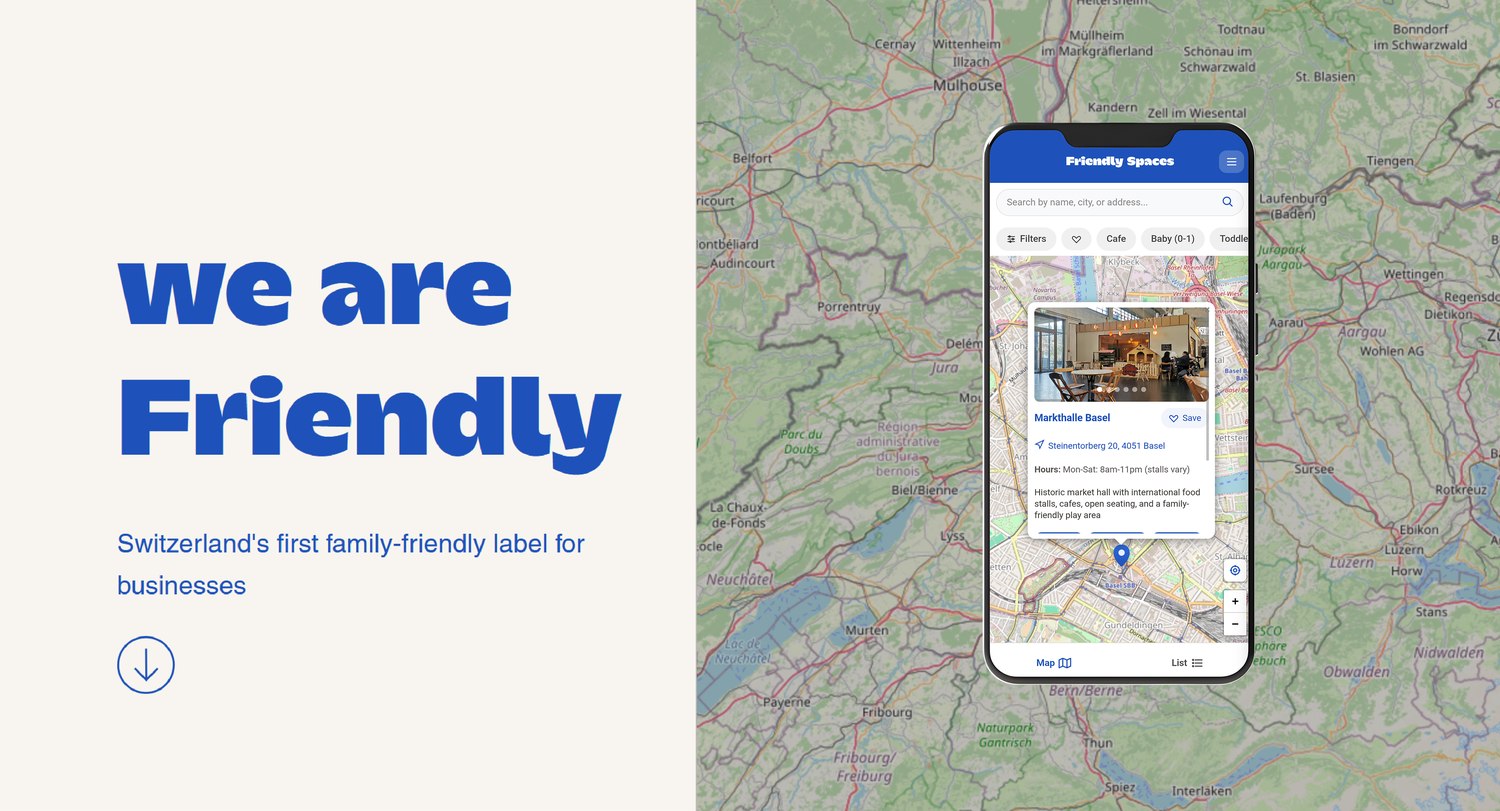
A map and a list of certified venues, discoverable by location, so it answers the question a parent actually has: where can I go from here, right now.
Filters run on the two things that decide whether an outing is possible: how old your child is, and what the venue has. Age bands cover Baby (0–1), Toddler (2–3), Small Child (4–6) and Kid (7–12), because a nappy-change table matters enormously at one age and not at all at another. Amenity filters cover play areas, high chairs, change tables and games rooms.
Each venue page carries photography, hours, a description and one-tap actions to navigate, call, or open the website or Instagram.
The Playbox
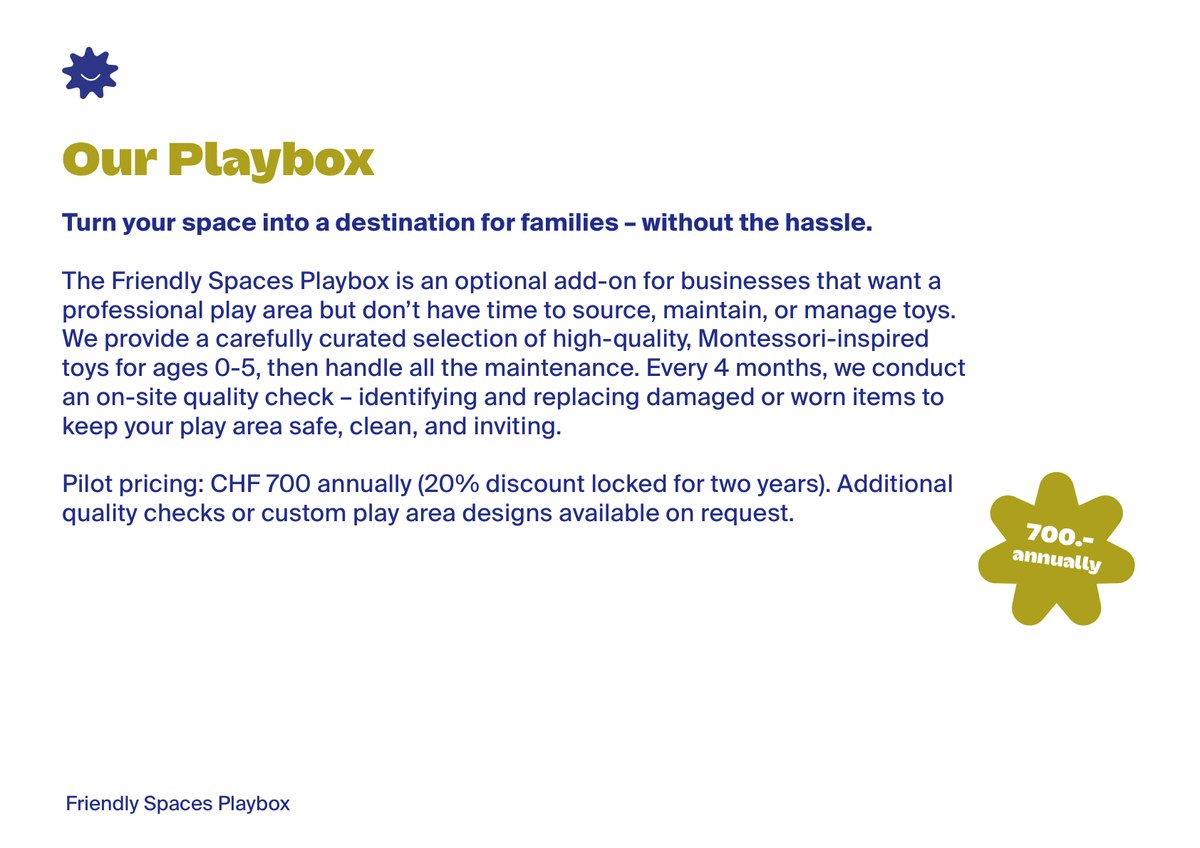
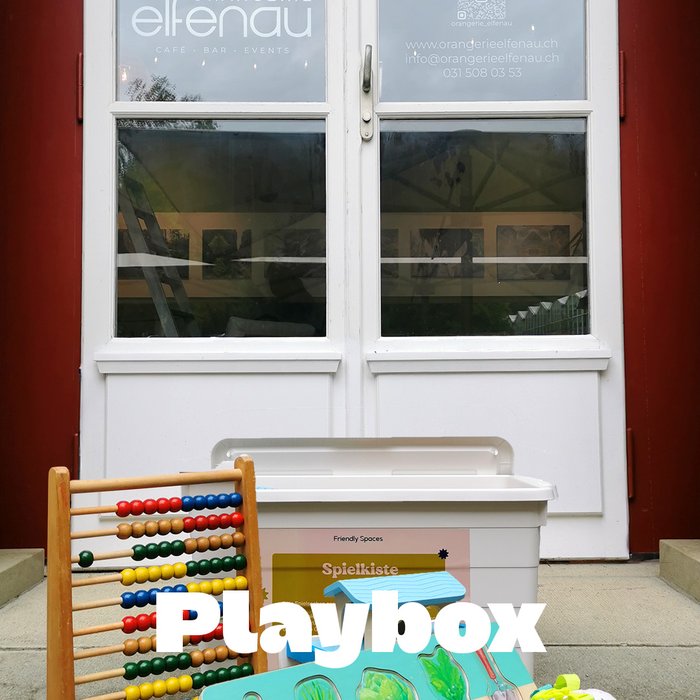
An optional add-on for businesses that want a professional play area but do not have the time to source, maintain or manage toys.
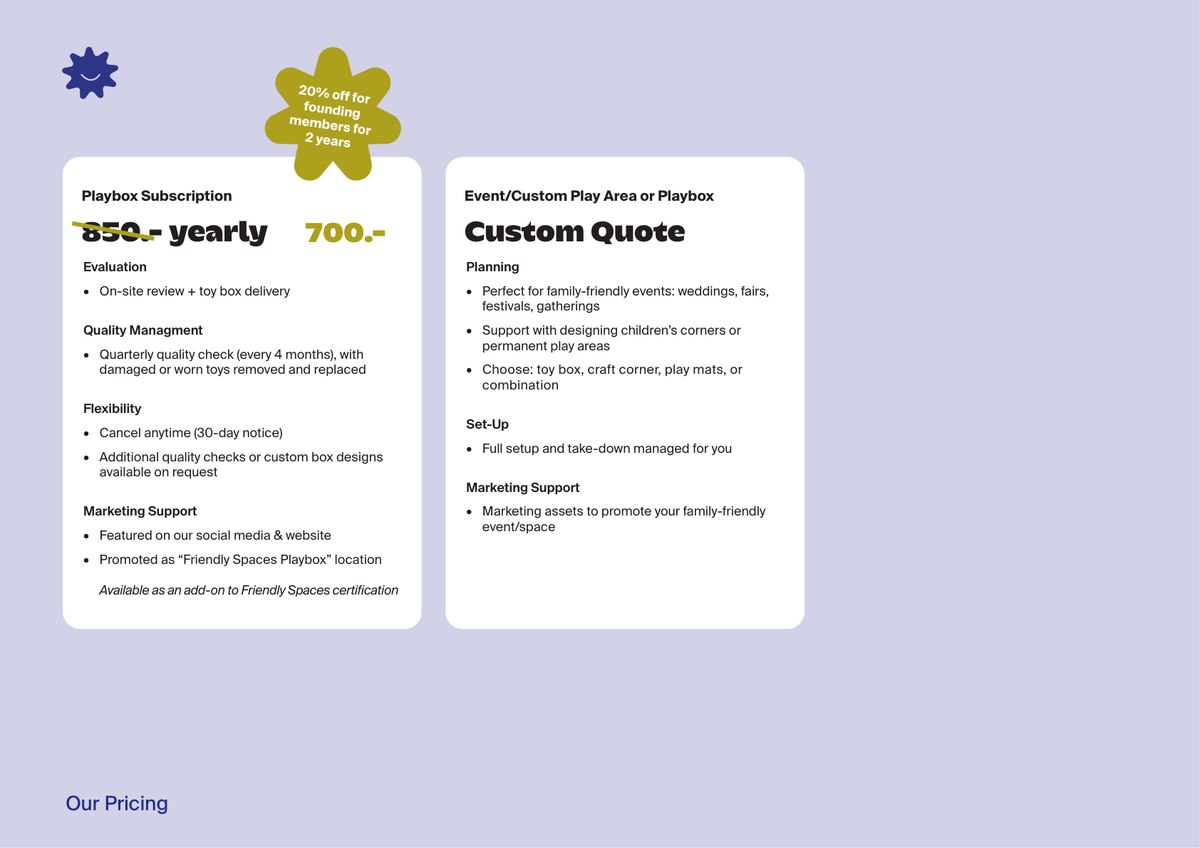
The box holds a curated selection of high-quality play materials for babies and toddlers, inspired by Montessori pedagogy and chosen for use in public spaces. I manage it: an on-site quality check every four months, with damaged or worn elements identified and replaced, so the play corner stays maintained, safe and inviting.
The identity and the kit
Electric blue on cream, with a heavy rounded display face. The brief I set myself was that it had to read as friendly without reading as childish, since it appears on business contracts and on colouring sheets and needed to survive both.
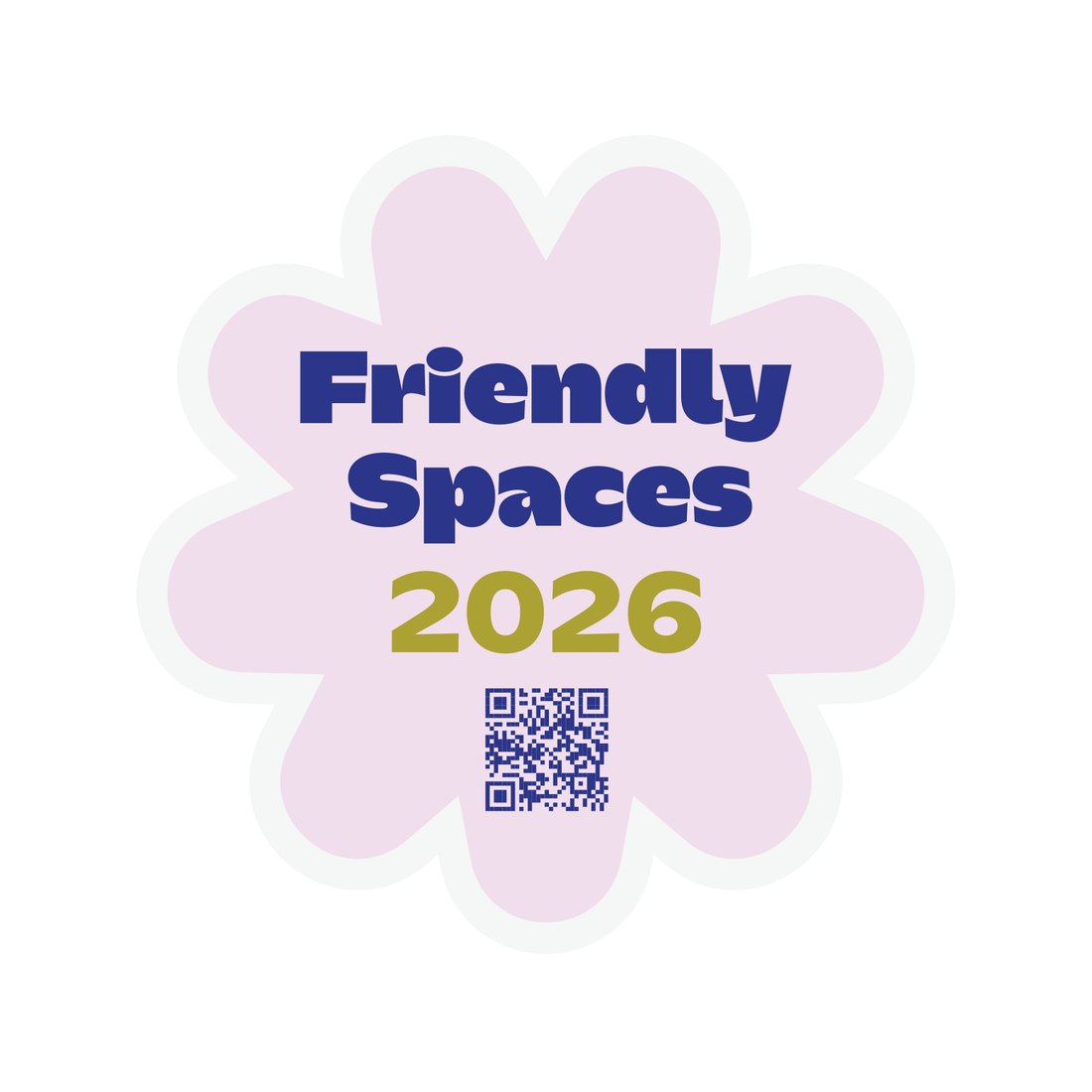
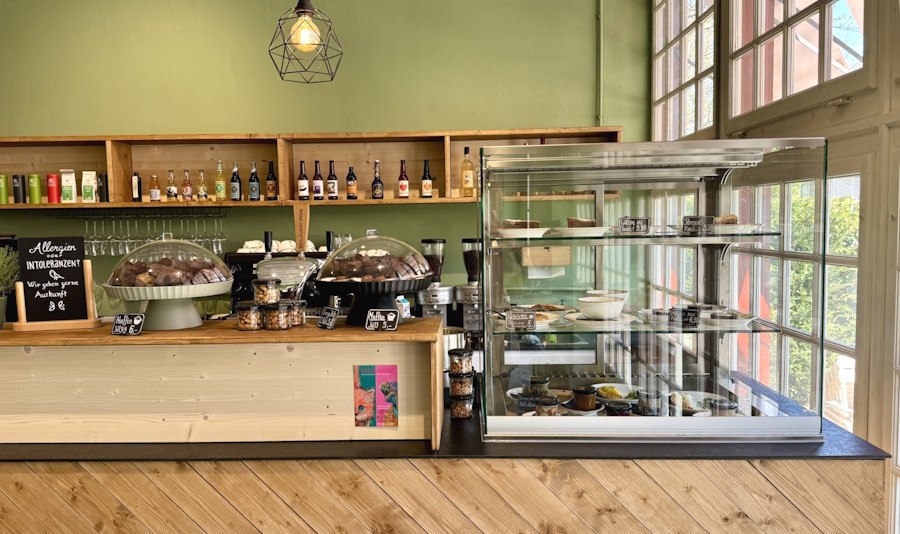
Every certified venue receives a physical kit: a window sticker for the door, bathroom signage, a certificate, and the Playbox with branded stickers and colouring sheets for the tables. All of it is produced in German, English and French, because a programme running across Basel, Bern and Zürich does not get to pick one.
Partner material
The welcomepresentation.
Scroll →
The channels
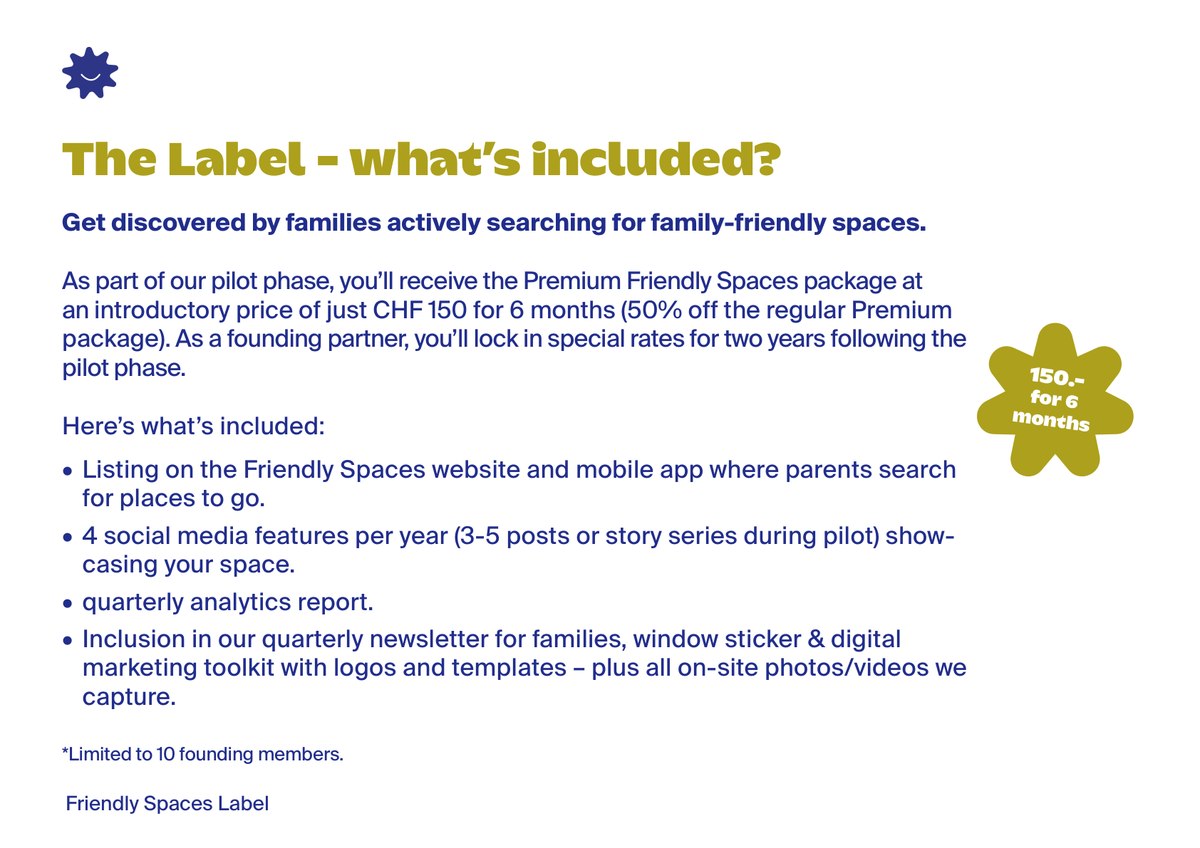
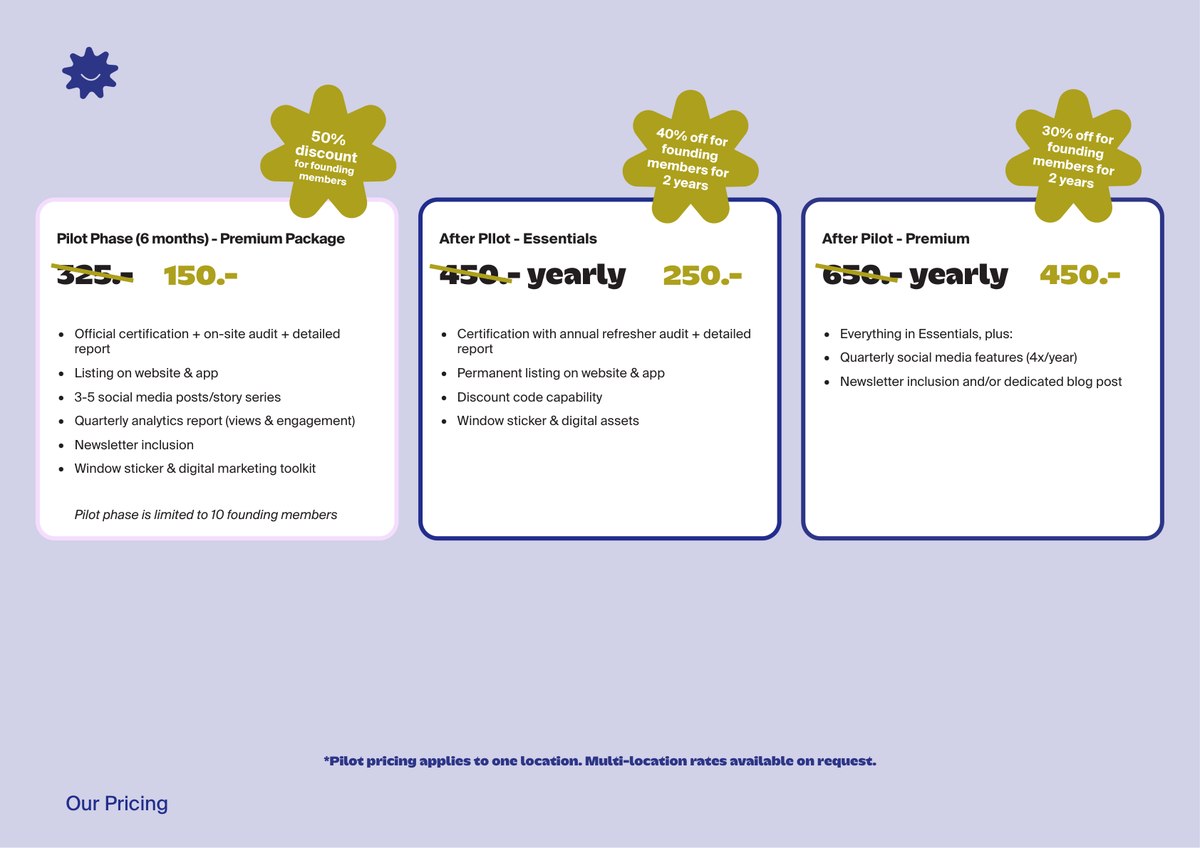
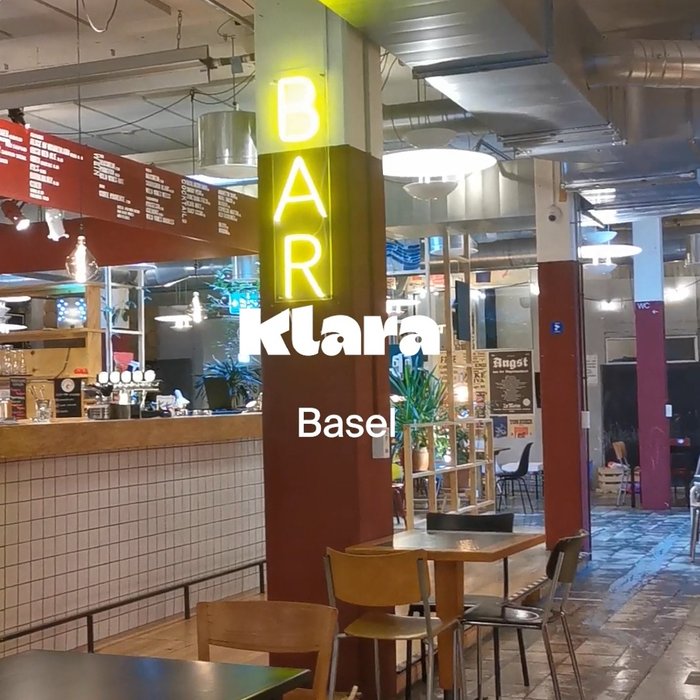
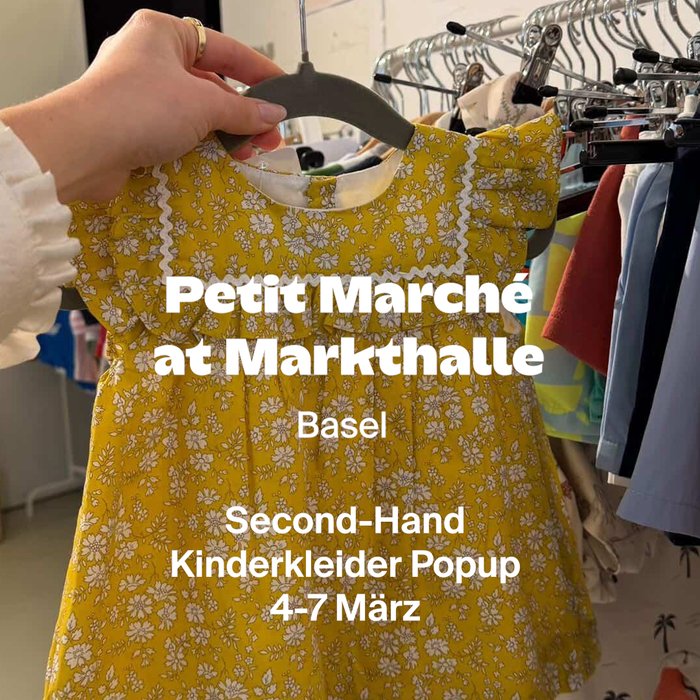
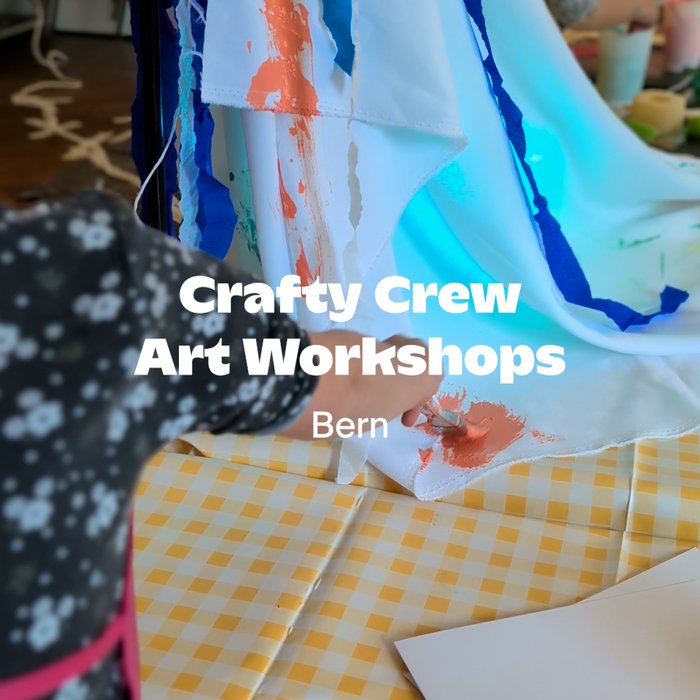
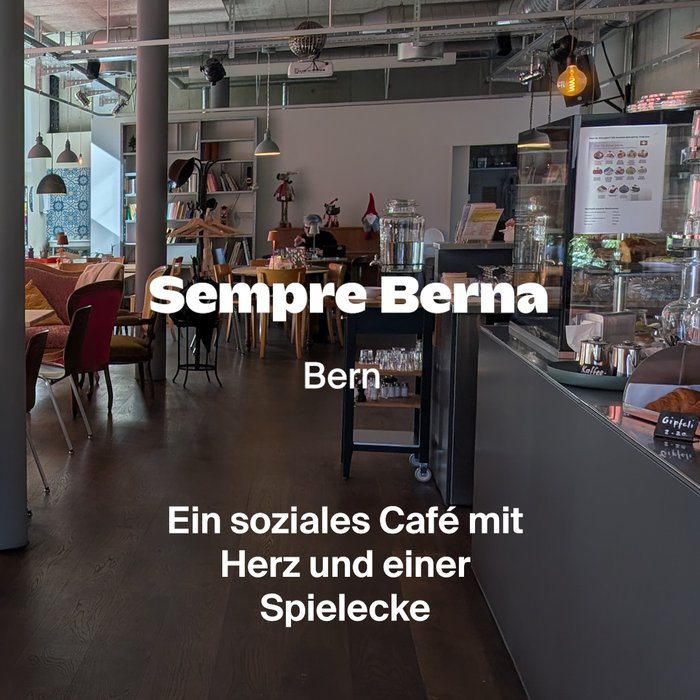
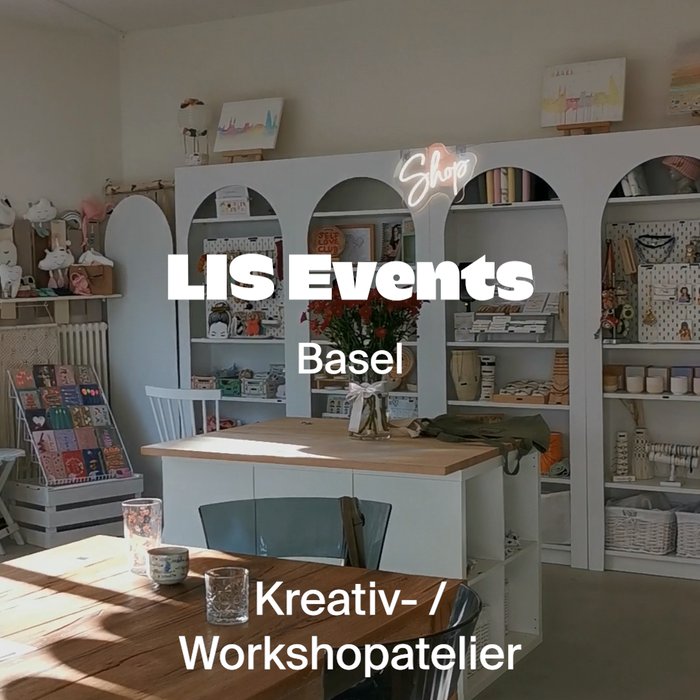
Certified venues get four social media features a year, a quarterly analytics report, and inclusion in a quarterly newsletter for families. I shoot, edit and publish all of it, and partners keep every photo and video we capture on site.
Where it got to
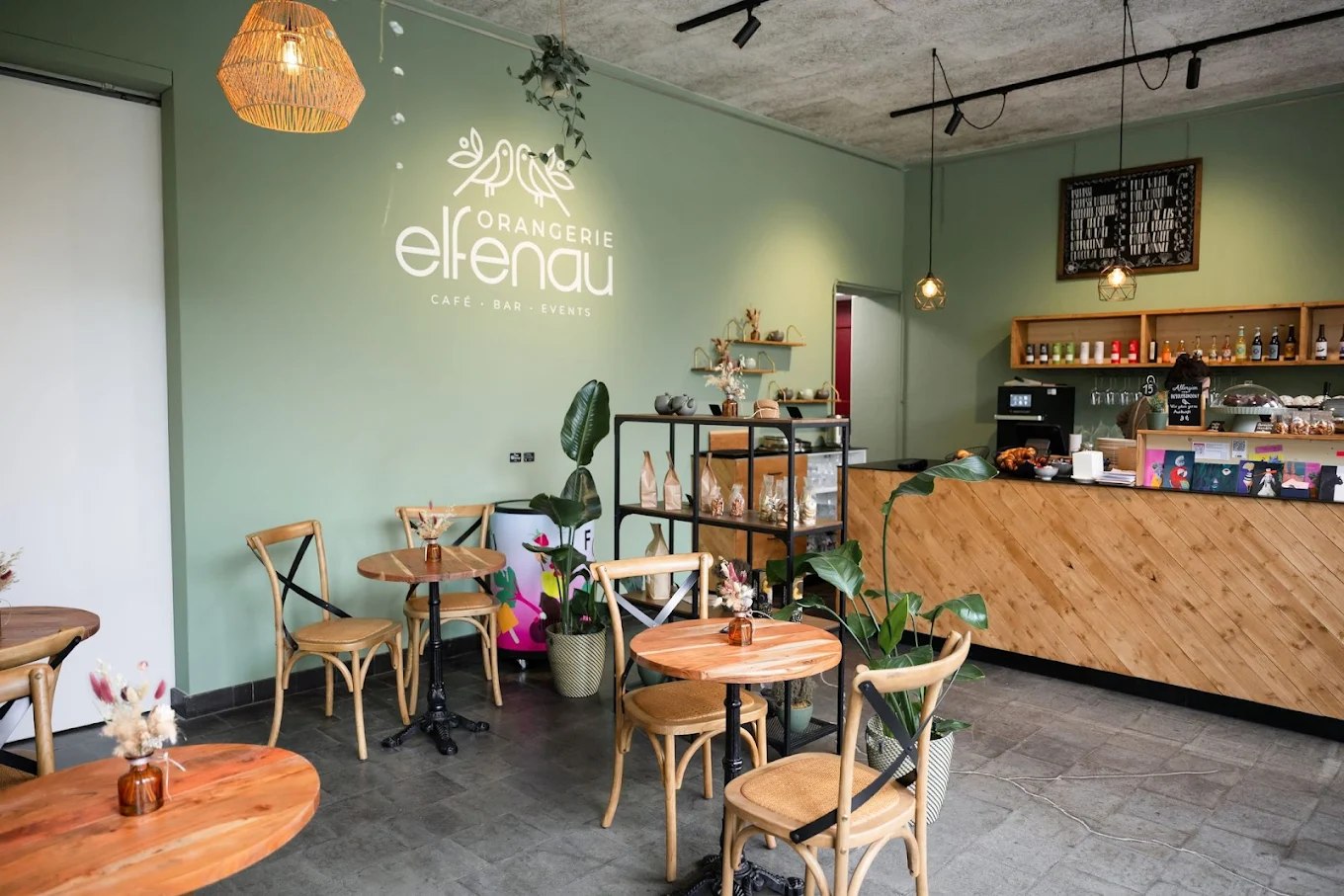
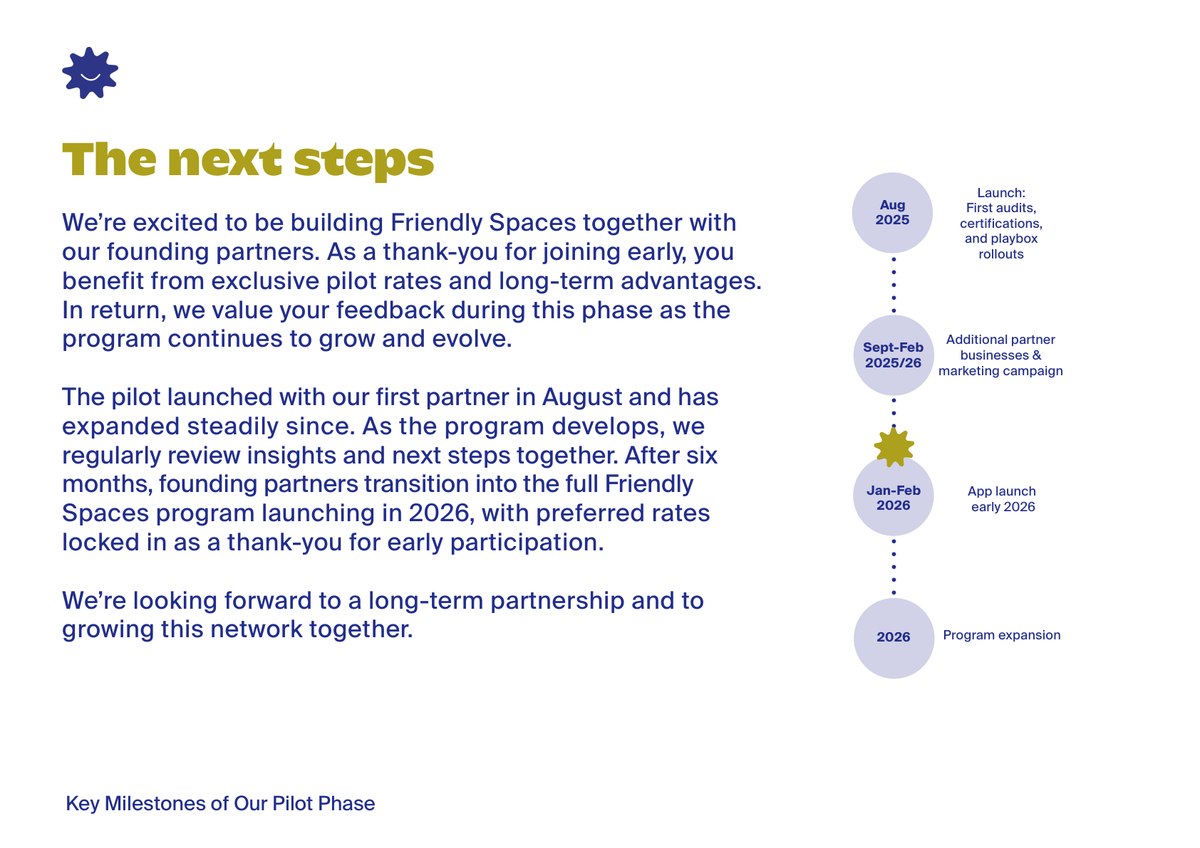
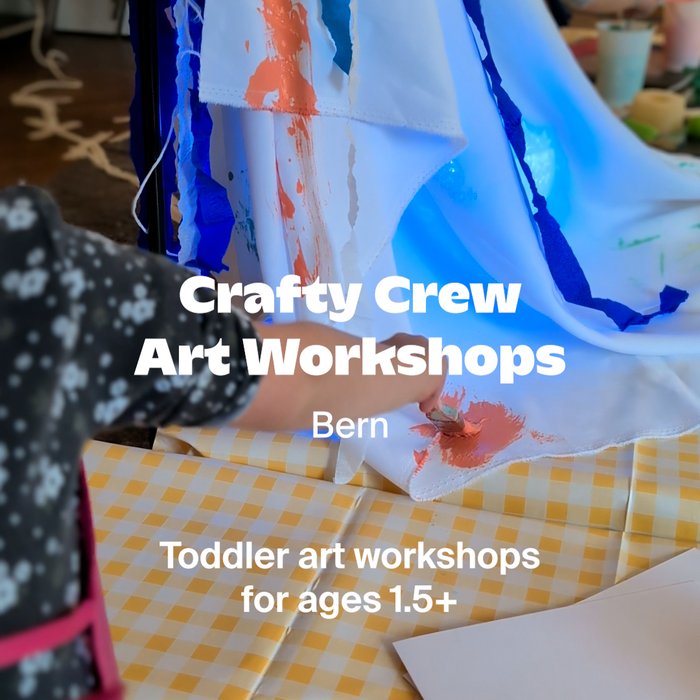
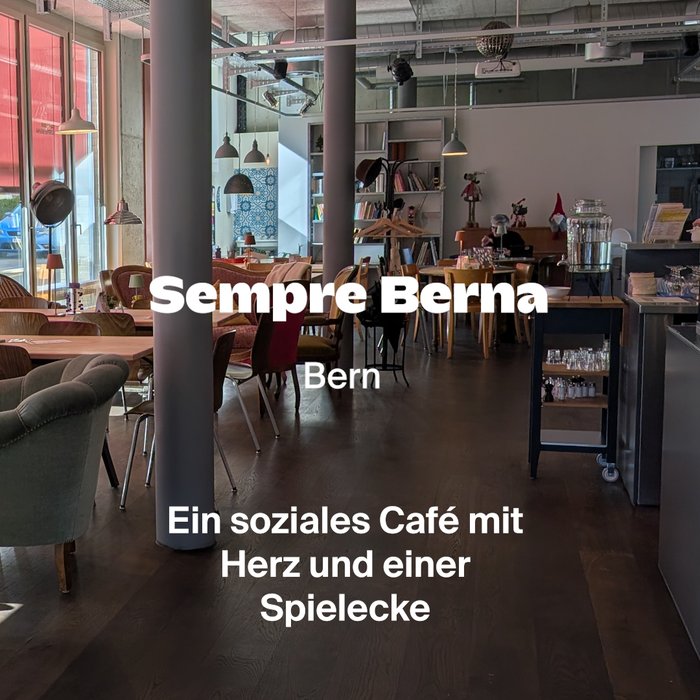
Ten venues certified across three cities, each with a completed 48-point audit, a pilot agreement and a trilingual welcome pack behind it. Partners include Klara 13 and Markthalle in Basel, and Orangerie Elfenau in Bern.
The part I would point at is that the standard, the brand, the app, the print system, the contracts and the reporting all had to agree with each other, and there was nobody else to make them agree.